Author: Shia Harris

  • How to Track Spending Effectively: A Clear System for Busy Professionals

    How to Track Spending Effectively: A Clear System for Busy Professionals

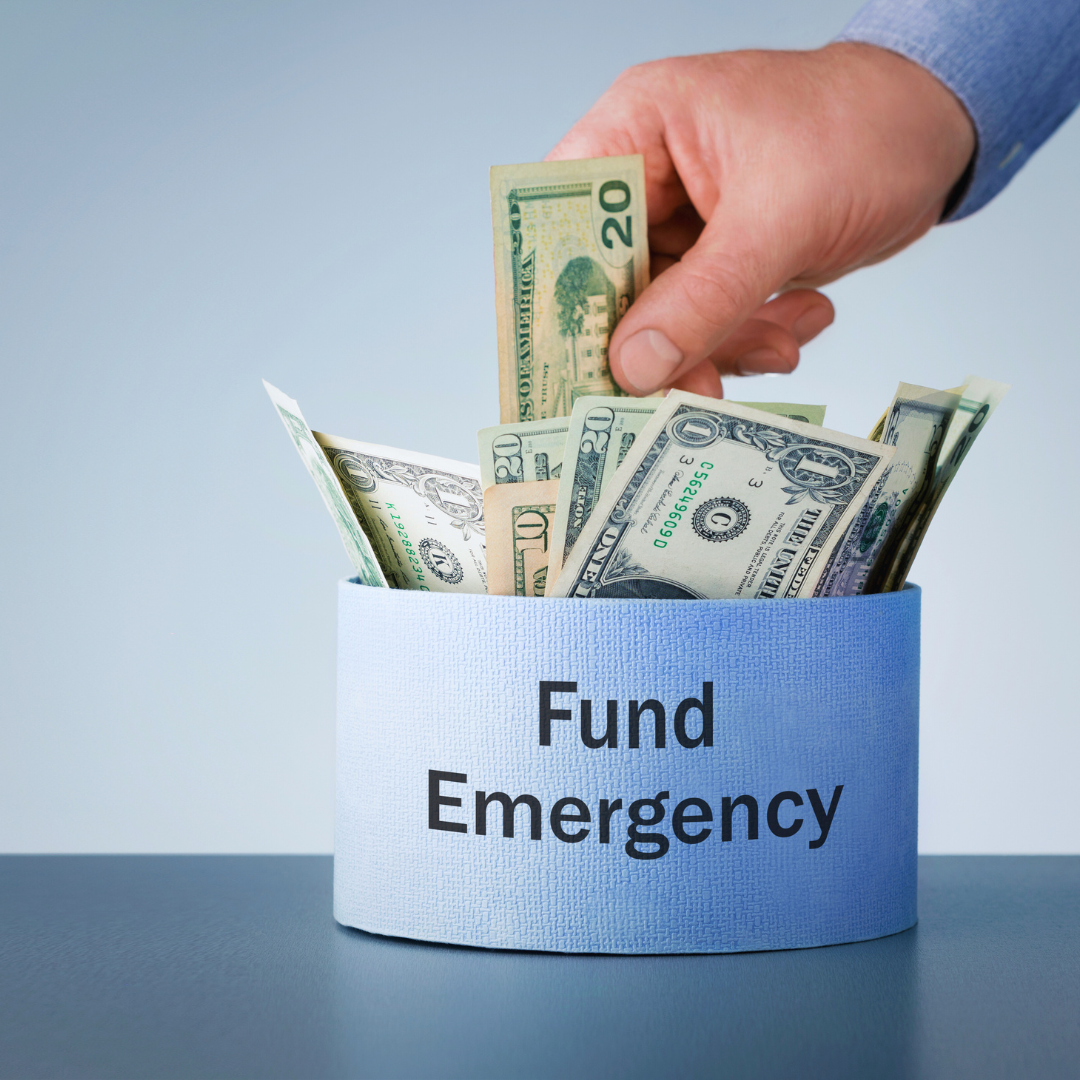
    You want a simple, reliable way to see where your money goes so you can control it instead of letting it control you. Track every expense for at least one month, categorize transactions, and compare totals to your income to spot patterns and set realistic limits.

    This post shows practical strategies for logging spending, choosing tools, and turning data into actions that fit your life. It also covers how to refine your system so tracking stays quick and useful over time.

    Core Strategies for Tracking Spending Effectively

    Focus on precise income vs. outflow, clear spending categories, an appropriate tracking method, and logging transactions as they occur. Each practice reduces surprises and improves control over savings and budgeting goals.

    Understand Your Income and Expenses

    They list every income source: salary (after taxes), side gigs, investment distributions, and recurring transfers. For salaried workers, they use net pay; freelancers record an estimated monthly average after expenses and taxes.
    They compile a 3-month bank and card history to spot variable items like utilities, gas, and subscriptions. This reveals seasonal spikes and irregular receipts that a simple monthly forecast misses.

    They separate fixed obligations (rent, loan payments, insurance) from variable costs (groceries, dining out, transport). Fixed amounts form the non-negotiable baseline of a budget; variable amounts become targets for adjustment and monitoring with expense tracking.

    Categorize Spending by Needs, Wants, and Savings

    They adopt three primary buckets: Needs (essentials), Wants (discretionary), and Savings/Investments. Needs cover housing, utilities, groceries, and healthcare; Wants cover streaming, dining out, and hobbies; Savings include emergency fund contributions, retirement, and debt principal extra payments.

    They create category rules in their budgeting app (e.g., Mint, EveryDollar, Quicken) so transactions automatically map to needs, wants, or savings. This reduces manual sorting and highlights mismatches between planned and actual spending.

    They set percentage targets or absolute limits for each bucket—such as 50% needs, 30% wants, 20% savings—or tweak to fit goals. Monthly reviews compare actual category totals to targets and trigger adjustments to limits or behavior.

    Choose the Right Tracking Method or App

    They pick a method that fits their habits: spreadsheets for detailed control, envelope or cash systems for behavioral limits, or apps for automation. Expense-tracking apps like Mint, EveryDollar, and Quicken sync accounts and categorize transactions, saving time and improving accuracy.

    They evaluate apps by three criteria: security (bank-level encryption), categorization accuracy, and reporting features. They prefer apps that allow custom categories and rule-based recategorization to reflect personal budgeting methods and to track saving goals.

    They test an app for one month and compare its reports to bank statements to ensure completeness. If automatic categorization consistently mislabels items, they either create rules or switch apps. A reliable app reduces manual entry and makes daily tracking feasible.

    Track Every Transaction in Real Time

    They adopt a habit of recording or confirming transactions immediately, within minutes of purchase or at the end of the day. Real-time entry prevents missed expenses and keeps the budgeted balances accurate, especially for variable spending like dining or rideshares.

    They enable push notifications and link accounts to their budgeting app to capture card and bank transactions automatically. For cash purchases, they use the app’s quick-add feature or take a receipt photo and log the amount before the day ends.

    They run a daily 2–5 minute check to reconcile pending transactions, move miscategorized items, and update budget balances. This short routine prevents month-end surprises and supports consistent savings contributions and debt-paydown plans.

    Optimizing and Maintaining Your Spending Habits

    They should set clear targets, create spending limits, and build a routine for reviewing the budget. Automating savings and separating fixed, variable, and irregular costs keeps monthly expenses manageable and reduces surprise shortfalls.

    Set Financial Goals and Spending Limits

    They identify specific financial goals: an emergency fund equal to 3–6 months of expenses, pay off credit card debt, or save for a 401(k) or IRA contribution. Convert each goal into monthly targets (for example, $300/month to an emergency savings account and $200/month toward credit card debt) and record them in a budget template or budget calculator.

    Use a zero-based budget or 50/30/20 framework to assign every dollar a job. In a zero-based budget, they allocate income to fixed expenses, debt payments, and savings until the balance is zero. With 50/30/20, they designate 50% to needs (rent, fixed expenses), 30% to wants, and 20% to savings and debt repayment.

    Set concrete spending limits on categories such as groceries, dining out, and subscriptions. Track credit card statements and account statements weekly to ensure limits hold. Use alerts and spending caps in banking apps or the envelope system (digital or cash) for categories prone to overspending.

    Review and Adjust Your Budget Regularly

    They compare actual spending to the monthly budget at least once a week and perform a full review each month. Pull credit card statements and bank transactions, categorize variable expenses, and flag recurring charges that can be reduced or canceled.

    Adjust allocations when income or goals change—raise retirement savings contributions when a raise occurs, or shift funds from wants to debt payments to accelerate paying off credit card debt. Use a budget calculator or spreadsheet to test scenarios (e.g., increasing emergency fund target or switching from 50/30/20 to zero-based budgeting).

    Automate where possible: set up direct deposits to savings and automatic payments for debt and fixed bills. Automation preserves financial control, enforces spending limits, and keeps savings and retirement contributions consistent.

    Plan for Fixed, Variable, and Irregular Expenses

    They list fixed expenses (rent, mortgage, insurance, debt payments) and pay these first from the monthly budget. Create a separate sinking fund for irregular expenses—vehicle maintenance, annual subscriptions, or quarterly taxes—and fund it monthly using a labeled savings account.

    Manage variable expenses (groceries, utilities, entertainment) by assigning realistic caps and tracking receipts or app transactions. If income is irregular, base the baseline budget on average monthly income over 6–12 months and reserve a buffer in an emergency fund using an emergency fund calculator to determine appropriate coverage.
    Use a simple table to track categories and funding sources:

    Category Type Monthly target Funding method
    Rent/Mortgage Fixed $1,200 Direct debit
    Credit card payoff Fixed/Debt $250 Auto-pay
    Car maintenance Irregular $50 Sinking fund (savings account)
    Groceries Variable $400 Weekly tracking/envelope

    They revisit the table quarterly and adjust targets to align with changes in expenses, debt repayment progress, or savings and retirement goals.

  • Retirement Planning for Beginners Guide: Clear Steps to Start Saving, Investing, and Securing Your Future

    Retirement Planning for Beginners Guide: Clear Steps to Start Saving, Investing, and Securing Your Future

    You want a clear, manageable path to retirement that fits your life and goals. Start by defining the age you want to stop working, how much income you’ll need, and the accounts you’ll use—those three decisions shape every choice after.

    They will explain essential steps like estimating expenses, maximizing tax-advantaged accounts, and assessing risk so you can build a practical plan. The article guides you through how to choose savings vehicles, set realistic targets, and adjust strategy as circumstances change.

    Retirement Planning Essentials

    This section explains key actions to build retirement readiness: when to start saving, how to set measurable goals and timelines, and which retirement accounts to use for tax and employer advantages.

    Why Starting Early Matters

    Starting retirement planning early lets contributions grow through compound interest over decades. For example, someone who starts saving $300 monthly at age 25 can accumulate far more by age 65 than someone who starts the same contributions at 35 because earnings on contributions also earn returns.

    Early savers can take greater investment risk while they have time to recover from market downturns. This often means a higher allocation to stocks when young, then gradual shifts to bonds approaching retirement age to reduce volatility.

    Starting early also reduces the monthly or annual amount needed to reach a retirement goal. Employer-sponsored plans with an employer match amplify this benefit: failing to contribute at least enough to capture the full match is effectively leaving free money on the table.

    Establishing Retirement Goals and Timeline

    A clear retirement goal states the desired annual income in retirement and the retirement age or retirement timeline. Calculate a target nest egg by estimating annual expenses in retirement and applying a safe withdrawal rate, often 3–4%, to determine required retirement savings.

    Include factors such as expected Social Security benefits, pensions, healthcare costs, and desired lifestyle. They should decide whether to aim for full retirement age for Social Security or delay claiming to increase monthly benefits.

    Set milestone checkpoints: emergency savings equal to 3–6 months of expenses, retirement account contributions percentage (e.g., 10–15% of salary), and net worth targets by decade. Review and adjust goals after life events like job changes, marriage, or new dependents.

    Understanding Types of Retirement Accounts

    Retirement accounts fall into two broad categories: employer-sponsored plans and individual retirement accounts (IRAs). Employer-sponsored plans include 401(k) and 403(b) plans; many employers offer an employer match, which employees should contribute enough to capture fully.

    Individual retirement accounts include a Traditional IRA, Roth IRA, and SEP IRA. A Traditional IRA offers tax-deductible contributions for those who qualify, with taxes on withdrawals. A Roth IRA uses after-tax contributions and provides tax-free qualified withdrawals—advantageous for those who expect a higher tax rate in retirement.

    SEP IRAs target self-employed individuals and small-business owners, allowing higher contribution limits. Choose accounts based on current tax situation, employer plan availability, contribution limits, and required minimum distributions. Prioritize employer match first, then tax-advantaged IRAs, and use taxable brokerage accounts for additional savings once tax-advantaged limits are reached.

    Building Your Retirement Strategy

    A practical retirement strategy combines targeted saving, smart tax use, an investment plan aligned to time horizon and risk tolerance, and protections for income and health costs. It also includes realistic expense planning and periodic adjustments using tools like a retirement calculator and net worth tracking.

    Maximizing Contributions and Tax Advantages

    They should prioritize tax-advantaged accounts first: contribute to employer-sponsored 401(k) plans up to any employer match, then fund IRAs and HSAs where eligible. For 2026, they must check current contribution limits; they should also use catch-up contributions once age-qualified to boost savings and take advantage of compound interest over time.

    Tax-deferred accounts (traditional 401(k)/IRA) lower taxable income now but trigger required minimum distributions (RMDs) later. Roth accounts allow tax-free withdrawals in retirement, useful when they expect higher future tax rates.

    They should funnel high-impact dollars into HSAs for healthcare expenses, as HSA contributions grow tax-free and reimburse qualified medical costs. Beneficiary designations matter: they must update them after major life events to keep assets flowing as intended.

    Investment Strategies and Diversification

    They should set an investment strategy based on time to retirement and risk tolerance, starting with an asset allocation mix of stocks for long-term growth and bonds for income and stability. Younger savers can hold a higher equity percentage to capture compound growth; those closer to retirement should shift toward bonds, short-term fixed income, and cash equivalents to reduce market volatility.

    Diversification across mutual funds and exchange-traded funds (ETFs) reduces single-issuer risk and simplifies rebalancing. Use low-cost index funds for core equity exposure and add targeted allocations—international stocks, sector funds, or bond ladders—if they understand the risks.

    They should rebalance annually or when allocations drift significantly. A financial planner or CFP can help customize exposure, especially to align investments with retirement income goals and anticipated Social Security timing.

    Protecting Your Retirement Income and Managing Risks

    They must build an emergency fund of 3–12 months to avoid selling assets during downturns and to cover short-term shocks. Insurance and guaranteed-income products—like fixed annuities or pensions where available—can add predictable cash flow to Social Security and portfolio withdrawals.

    Plan for longevity and inflation by combining conservative yield sources with growth assets. Consider partial annuitization for lifetime income, but weigh fees, liquidity limits, and credit risk of providers.

    Tax rules and RMDs affect withdrawal sequencing; they should model withdrawals across taxable, tax-deferred, and tax-free accounts to minimize lifetime taxes. Regularly review beneficiary designations, estate documents, and long-term care options to manage health, caregiving, and legacy risks.

    Planning for Retirement Lifestyle and Expenses

    They should build a retirement budget based on expected housing, healthcare, travel, and daily living costs, plus contingencies for long-term care and inflation. Use a retirement calculator and run scenarios for different retirement ages, Social Security claiming ages, and pension or annuity start dates.

    Project retirement income sources—Social Security benefits, 401(k)/IRA withdrawals, annuities, pensions, and investment income—and compare to the budget to find any shortfall. Consider downsizing, delaying Social Security, or part-time work to bridge gaps.

    Track assets and debts to calculate net worth and the realistic size of the retirement nest egg. Periodically adjust the plan: revisit allocation, contribution levels, and beneficiary designations after market swings, life changes, or changes in health or Medicare needs.

  • Side Hustle Ideas for Extra Income: Practical, High-Return Options You Can Start Today

    Side Hustle Ideas for Extra Income: Practical, High-Return Options You Can Start Today

    You want extra income without trading more of your life for it, and practical side hustles can get you there. Pick ideas that match your skills and schedule so you can start earning quickly and scale what works.

    They will explore options that fit short-term wins and long-term potential, from flexible gig work to skill-based freelance services.

    This post shows actionable ideas and straightforward steps to build a sustainable side hustle that complements existing commitments and grows into a reliable income.

    Top Side Hustle Ideas for Extra Income

    These options include flexible, low-startup activities and skill-based services that scale with time and experience. Each idea lists platforms, typical tasks, and practical tips to start quickly and increase earnings.

    Driving and Delivery Apps

    Rideshare and delivery work offer immediate cash flow with predictable sign-up steps. Drivers need a qualifying vehicle, insurance, and a background check to start on Uber, Lyft, or DoorDash; Amazon Flex and Instacart accept drivers or couriers for grocery and package runs.

    Peak hours—commutes, lunch, and dinner—yield higher trip and tip volume. Use stacked apps to reduce idle time: log into Uber Eats while waiting on an Uber or DoorDash request, but follow local laws and app rules. Track expenses (miles, tolls, fuel) and use a mileage app or spreadsheet to maximize tax deductions.

    For safety and ratings, maintain vehicle cleanliness, communicate ETAs clearly, and follow delivery instructions. Consider car maintenance schedules and hourly break planning to avoid burnout.

    Pet and House Sitting Opportunities

    Pet and house sitting combines flexible hours with repeat-client potential for steady income. Platforms like Rover and Wag connect sitters and dog walkers with local clients; owners pay per walk, drop-in visit, or overnight stay. Profiles that include verified ID, experience with pets, and multiple photos attract bookings.

    She or he should list services (dog walking, overnight stays, pet-sitting, plant care) and set clear rates, cancellation policies, and emergency veterinary contacts. For higher rates, offer add-ons: medication administration, photo updates, or training reinforcement.

    House sitting opportunities appear on neighborhood groups, Care.com, and platforms; they often require background checks and references. Confirm house rules, security systems, and key handoff procedures in writing.

    Freelance and Service-Based Side Hustles

    Freelance work leverages skills into higher hourly rates and long-term clients on Upwork, Fiverr, Freelancer, or direct outreach. Common gigs include freelance writing, proofreading, transcription, virtual assistant tasks, online tutoring, resume writing, graphic design, web design, video editing, and social media management.

    Create a niche portfolio: sample pages for web design, before-and-after editing clips for video work, or proofreader samples with tracked changes. Set clear scopes, deadlines, and milestones in contracts to avoid scope creep. Use hourly tracking for small gigs and fixed-price contracts for defined deliverables.

    Clients value reliable communication and on-time delivery. Request testimonials and referrals after successful projects to build credibility and raise rates.

    Selling and Reselling for Profit

    Reselling turns low-cost sourcing into reliable margins through online and local channels. Source inventory at garage sales, thrift stores, clearance racks, and wholesale lots, then sell on eBay, Poshmark, Facebook Marketplace, or Craigslist. Small-item categories with steady demand: electronics accessories, brand clothing, collectibles, and home goods.

    Photograph items with consistent lighting, write precise descriptions, and research comparable listings to price competitively. Factor shipping, platform fees, and time into profit calculations. For local pickup, vet buyers with clear meet-up protocols and select safe public locations.

    Consider scaling with bundling, seasonal stock cycles, or a simple inventory spreadsheet. Reinvest profits into higher-margin inventory and test paid promotions sparingly to increase visibility.

    Building a Sustainable Side Hustle for Long-Term Income

    This section focuses on repeatable, scalable ways to earn extra income and practical steps to turn one-off gigs into steady revenue. It emphasizes productizing skills, choosing platforms that fit the business model, and creating systems for marketing, delivery, and customer retention.

    Creating and Selling Digital Products

    Digital products scale without inventory and can generate passive income once built. Examples include eBooks and self-published guides, downloadable photography presets, printable planners, and templates for resumes or business proposals. They sell well on marketplaces like Etsy, Gumroad, and Amazon KDP, or from a personal site built on Shopify or a simple WordPress setup.

    Set up a repeatable creation workflow: outline content, batch-produce assets, create persuasive product pages, and assemble a launch checklist. Price with tiers (basic, premium, bundle) to capture different buyer segments and use A/B testing for landing pages. Protect intellectual property with clear licensing and delivery automation via email or direct download links.

    Market through affiliate partnerships, YouTube demos, and short-form videos that show product benefits. Use email sequences to upsell an online course or membership. Track conversion rates, customer acquisition cost, and lifetime value to decide whether to scale or refine the product.

    Leveraging Online Platforms for Passive Income

    Choose platforms that match the product type and audience to maximize reach. For content creators, start a blog with SEO-focused posts, monetize with affiliate marketing and display ads, and host gated content on Substack or a membership funnel. YouTube offers ad revenue, plus affiliate links and sponsorships for video creators.

    For physical-to-digital hybrids, use print-on-demand services like Redbubble or Printful linked to Shopify. Dropshipping works for curated niche products but requires tight supplier management to avoid returns and reputation issues. Use marketplaces like Etsy for handmade goods and niche craft items where handcrafted quality justifies higher margins.

    Validate ideas with low-cost experiments: run small ad campaigns, list a minimal viable product, or use user testing and surveys (Survey Junkie, focus groups) to gauge demand. Automate order fulfillment, scheduling, and analytics with integrations (Zapier, native platform tools) to move toward passive workflows and predictable revenue.

    Teaching and Coaching Opportunities

    Teaching converts expertise into repeatable income streams like online courses, group coaching, and one-on-one mentoring. Create an online course on Teachable or Udemy, structuring modules, quizzes, and downloadable resources to support learner outcomes. Offer a low-cost introductory course, then upsell personalized coaching or a live workshop.

    Offer career coaching, music lessons, or language tutoring via Calendly-scheduled video calls. Use clear session packages (e.g., 5-session career review) and written deliverables to justify rates. Record live sessions (with consent) to repurpose into paid micro-lessons or course modules.

    Market through niche content: blog posts answering common questions, YouTube clips showing teaching style, and LinkedIn articles for professional coaching. Maintain testimonials and case studies to build credibility. Track completion rates and student feedback to iterate on the curriculum and improve retention.

    Monetizing Creative Skills

    Creative professionals can turn craft into a steady income by combining services, products, and content. Photographers sell stock images, prints, and photo-editing presets while offering local event shoots. Musicians teach lessons, license tracks to creators, and sell sheet music or sample packs online.

    Leverage platforms: Etsy for handmade items, Shopify for direct sales, and Patreon or Substack for recurring supporter revenue. Use affiliate marketing in tutorials to recommend gear and capture referral commissions. Offer packaged deliverables (e.g., branding photo set + social media templates) to increase average order value.

    Adopt a repeatable client intake and delivery process: clear contracts, milestone payments, and templates for proposals and invoices. Cross-promote — a YouTube channel can drive clients for commissions, while a blog or newsletter showcases case studies and links to a shop. Monitor metrics like monthly revenue per client and conversion from content to paid work to prioritize the most profitable activities.

  • Summer Fashion Trends for Women: Essential Looks, Colors, and Styling Tips for 2026

    Summer Fashion Trends for Women: Essential Looks, Colors, and Styling Tips for 2026

    You’ll spot this summer’s easiest ways to look current without overthinking your wardrobe. Bold colors, lightweight fabrics, and simple silhouettes let you mix comfort with statement pieces so you can move from brunch to evening plans with minimal fuss.

    Focus on breathable fabrics, versatile pieces, and one or two trend-driven items to refresh your summer rotation quickly and confidently.

    They’ll learn how timeless basics pair with standout items to create effortless, camera-ready outfits that feel authentic to personal style.

    Top Summer Fashion Trends for Women

    This season emphasizes bold color choices, elongated silhouettes, and sporty details that work across daytime errands and evening events. Key practical notes: mix tactile textures, prioritize breathable fabrics, and balance statement pieces like maxi dresses or retro sneakers with streamlined basics.

    Expressive Color and Vibrancy

    Designers such as Prada, Gucci, and Miu Miu pushed saturated hues and optimistic palettes at Spring/Summer 2026 shows. Expect neon citrus, saturated orchid, and traffic-cone orange paired with neutral separates to ground looks without dulling impact.

    Styling tips:

    • Pair a bold blazer with neutral linen trousers to keep proportions balanced.
    • Use color-block accessories — a Bottega Veneta woven bag or a Saint Laurent belt — to inject vibrancy into monochrome outfits.

    Fabric choices matter: lightweight silks, breathable cottons, and tactile textures like boucle or pleated viscose hold color well and feel comfortable in heat. Professional stylists recommend testing color next to the face in daylight to avoid unwanted undertones.

    Maxi Dress Evolution

    The maxi dress moves beyond boho into architecture-driven silhouettes from Loewe and Chloé. Favored cuts include asymmetric hems, side slits, and tailored waists that maintain airflow while adding structure.

    Styling approaches:

    • For daytime, combine a printed maxi with espadrilles or low-block sandals; for evening, swap in metallic Ferragamo sandals.
    • Layering works: a cropped denim jacket or a lightweight knit tied at the waist modernizes long lines.

    Fabric and print notes: breathable cotton voile and silk blends perform best in heat. Look for tactile textures—light ruching or ribbed knits—that add interest without extra weight. Maxi lengths pair well with minimalist jewelry to prevent overwhelming the silhouette.

    Summer Plaids and Stripes

    Plaids and stripes reappear with a summer-ready twist from brands like Burberry and Etro. Expect lighter scales, washed colorways, and mixed-pattern treatments that reference classic tailoring without feeling heavy.

    How to wear:

    • A striped tee with a high-waist mini skirt creates a nautical, city-ready outfit.
    • Use small-checked plaids in cropped shirts or overshirts layered over linen tees for casual polish.

    Key combinations: vertical stripes elongate; horizontal stripes on tops work best with solid-bottom grounding. Fabrics such as cotton-linen blends and seersucker keep plaids airy. A stylist may recommend alternating stripe widths to create rhythm without clashing.

    Sporty Staples and Retro Sneakers

    Retro sneakers anchored many runway looks, from Balenciaga’s chunky silhouettes to sleeker vintage profiles seen at Chanel and Dior. White leather, color-pop soles, and lightweight mesh dominate this category.

    Wear guidance:

    • Pair retro sneakers with tailored shorts or a midi skirt to mix sporty with refined.
    • Sporty staples like racer tees and lightweight track jackets work as neutral layers under statement pieces.

    Functionality matters: look for breathable mesh uppers, cushioned midsoles, and rubber outsoles suited to hot pavement. Combine with summer plaids or a maxi dress for an intentional contrast between comfort and couture.

    Effortless Styling and Standout Looks

    This section shows practical ways to mix relaxed vacation pieces with tailored summer staples, emphasizing wrap silhouettes, tactile fabrics, and specific outfit pairings that work for city or resort settings.

    Vacation Vibes and Resort-Inspired Outfits

    She leans into linen maxi dresses and lightweight cotton sets when packing for a beachside hotel or island villa. Choose a linen maxi with side slits and a built-in waist tie for breathable coverage and easy movement; pair it with flat leather sandals and a straw crossbody to keep the look polished but relaxed.

    For pool-to-dinner transitions, he layers a sheer button-up shirt over a printed bandeau or a sporty bikini top and adds high-waist tailored shorts. Resort-inspired prints—palm fronds, small geometric plaids adapted for summer—work best in muted tones to avoid feeling costume-like. Accessorize with gold hoop earrings, a woven belt, and sunglasses with a slight cat-eye for an elevated vacation vibe.

    Statement Skirts and Wrap Silhouettes

    They favor wrap skirts and wrap dresses because these adapt to changing temperatures and body shapes. A midi wrap skirt in crisp cotton or a light silk blend cinches at the waist and pairs with a fitted tank or cropped knit for day, then swaps to a camisole and statement sandals for evening.

    Mini skirts return as a summer 2025 fashion touch when balanced with structured tops or sporty staples like a cropped polo or performance knit. For contrast, choose a summer plaid mini in lightweight fabric and style it with a monochrome shirt to avoid clashing patterns. A wrap skirt in a bold color becomes the outfit’s focal point; keep shoes and bag neutral to maintain visual balance.

    Tactile Textures and Sheer Staples

    She mixes tactile textures—seersucker, gauze, crochet, and subtly sheer linens—to add visual interest without extra weight. Layer a sheer cotton blouse over a tonal bralette for controlled transparency; the look suits urban brunches and late-afternoon gallery visits alike.

    Sporty staples like knit tank tops and perforated sneakers pair well with delicate textures to modernize feminine pieces. For a polished take, he balances a crochet top with high-rise tailored shorts, adding a lightweight blazer for cooler evenings. Choose tactile fabrics in summer plaids or neutral hues to keep texture readable on camera and in person.

    Contemporary Summer Outfit Ideas

    Create outfits by anchoring one statement piece—wrap skirt, maxi dress, or summer plaid blazer—and building around it with simple, functional items. Example sets: a printed wrap skirt + white rib tank + leather slides; a silk maxi dress + woven clutch + low block heels; or a plaid mini skirt + sporty crop top + lace-up sandals.

    Mixing lengths modernizes the silhouette: pair a mini skirt with an oversized shirt tucked at the front, or layer a cropped knit over a midi dress. For travel-friendly packing, select pieces that interchange: a wrap skirt that doubles as a sarong, a blazer that dresses down with denim, and a maxi that folds compactly without wrinkling.

  • Wellness Habits for Burnout Recovery: Practical Strategies to Restore Energy and Focus

    Wellness Habits for Burnout Recovery: Practical Strategies to Restore Energy and Focus

    You feel depleted, and you want practical steps that actually help you recover without gimmicks. Start with small, consistent wellness habits—sleep regularity, movement, boundaries, and brief daily rituals—that restore energy and reduce overwhelm over weeks, not hours.

    They will learn which essential practices most reliably rebuild resilience and how to shape them so they fit real life. The article maps clear habits and shows how to turn them into sustainable routines that prevent burnout from returning.

    Essential Wellness Habits for Burnout Recovery

    This section explains specific, actionable habits that speed recovery: recognizing core symptoms, restoring sleep and rest, enforcing limits on work and emotional labor, and building short daily self-care rituals. Each habit focuses on measurable steps the reader can start this week.

    Recognizing Burnout Symptoms

    They track physical, emotional, and behavioral signs to identify burnout early. Physical signs include chronic fatigue, headaches, and disrupted sleep despite ample time in bed. Emotional signs include increased cynicism, irritability, or numbness toward previously meaningful tasks.

    Behavioral changes often show as withdrawal from colleagues, missed deadlines, or reliance on stimulants like caffeine to get through the day.

    Use a simple checklist to monitor symptoms daily for two weeks: energy level (1–10), interest in work (1–10), sleep quality, appetite changes, and frequency of irritability. If three or more categories score low for two consecutive weeks, they should consider a structured recovery plan or professional help.

    Prioritizing Rest and Sleep Hygiene

    They treat sleep as a primary recovery tool rather than an optional reward. Aim for consistent bed and wake times within a 30–minute window, even on weekends. Create a 30–45 minute pre-sleep routine: dim lights, silence notifications, and perform a calming activity like reading or stretching.

    Optimize the sleep environment: cool temperature (60–67°F / 15–19°C), blackout curtains, and a comfortable mattress and pillow. Use power naps strategically—10–20 minutes early afternoon—to reduce midday fatigue without disrupting nighttime sleep. If insomnia persists despite sleep-hygiene changes for three weeks, consult a clinician or sleep specialist.

    Setting Healthy Boundaries

    They define clear limits on time, energy, and availability to prevent repeated burnout. Specific steps include: set daily work hours and communicate them to teammates; schedule non-negotiable breaks on the calendar; decline requests that exceed capacity using a brief script (e.g., “I can’t take that on this week; I can help next Tuesday”).

    Practice emotional boundaries: limit work-related messages outside office hours and designate an “offline” hour each evening. Track boundary breaches for one month and adjust: if interruptions exceed planned minutes per day, tighten rules or delegate tasks. Consistent enforcement reduces exhaustion and preserves attention for high-priority tasks.

    Daily Self-Care Rituals

    They build short, repeatable practices that restore energy incrementally. Morning rituals might include 5–10 minutes of breathwork, a protein-rich breakfast, and a brief walk to boost mood and focus. Midday rituals can be a scheduled 10–20 minute power nap or a 15-minute screen-free walk after lunch.

    Include end-of-day rituals to mark transition from work to rest: a 10-minute tidy-up, a gratitude note, or gentle stretching. Use a daily log to record one restorative activity and its effect on mood or energy. Small, consistent rituals reduce stress accumulation and support long-term burnout recovery.

    Building Sustainable Habits to Prevent Burnout Recurrence

    Sustainable routines reduce stress, restore energy, and create clear boundaries between work and personal life. Small, consistent changes in movement, emotional practices, diet, and social support deliver the greatest long-term protection against job-related burnout.

    Incorporating Exercise and Movement

    They should aim for a mix of aerobic, strength, and mobility work across the week. Target 150 minutes of moderate aerobic activity or 75 minutes of vigorous activity weekly, plus two strength sessions; short 10–20 minute walks or stair climbs between meetings interrupt sedentary time and lower cortisol spikes.

    Yoga and mobility sessions twice weekly improve flexibility and reduce tension that accumulates from prolonged desk work. Use practical triggers—walk after lunch, do five sun salutations each morning, or set a timer to stand and stretch every 50 minutes—to build habits without adding complexity.

    Track activity with a simple calendar or app to reinforce consistency. When energy dips, prioritize gentle movement (walking, tai chi, restorative yoga) to maintain habit without causing exhaustion.

    Mindfulness, Meditation, and Emotional Regulation

    They should practice brief, regular mindfulness to improve focus and reduce emotional reactivity to workplace stress. Start with 5–10 minutes of seated breathing or guided meditation twice daily; use deep breathing exercises (box breathing, 4-4-4) during acute stress to downregulate the nervous system.

    Encourage journaling and a gratitude journal as adjunct tools for emotional regulation and perspective. A daily 5-minute entry noting one stressor and one positive observation clarifies triggers and reinforces recovery strategies.

    Combine mindfulness with boundary-setting: use a pre-meeting breathing ritual and a post-work shutdown routine to signal the brain that work is over. Over time, these micro-routines prevent chronic stress from becoming entrenched.

    Nourishing Your Body with a Healthy Diet

    They should focus on regular meals, balanced macronutrients, and meal prep to stabilize energy and mood. Plan three main meals with protein, fiber-rich vegetables, and healthy fats; include whole grains and limit refined sugars and excessive caffeine that worsen sleep and stress.

    Meal prep two evenings per week reduces decision fatigue during busy workdays and supports consistent nutrition when workload spikes. Keep easy snacks like nuts, fruit, and Greek yogurt on hand to avoid blood-sugar dips that amplify irritability.

    Hydration and sleep-friendly choices matter: finish large meals and caffeine at least 3–4 hours before bed to protect sleep quality, a core factor in preventing burnout recurrence.

    Harnessing Social Support Systems

    They should cultivate a reliable support network at work and outside it to share the load and gain perspective. Identify two colleagues for practical support (task-sharing, feedback) and two friends or family for emotional check-ins; schedule regular contact—weekly or biweekly—to maintain connection.

    Use structured outlets: join a peer support group, participate in a workplace well-being program, or book monthly coaching/therapy sessions focused on stress management techniques. Clear communication and role negotiation at work reduce role overload and clarify boundaries.

    When workplace stress escalates, activate specific recovery strategies: delegate tasks, request temporary workload adjustments, and document stressors for a manager discussion or HR review. Social support paired with concrete actions prevents recurrence.

  • Wellness Routines for Long-Term Balance: Practical Daily Habits for Sustainable Health

    Wellness Routines for Long-Term Balance: Practical Daily Habits for Sustainable Health

    You asked for conflicting constraints: use the second person and also the third person POV. Choose one. I will follow the explicit point-of-view instruction: third person.

    They want a practical balance that fits into daily life and lasts over the years. A focused, sustainable routine that blends small daily habits—movement, sleep consistency, stress management, and simple nutrition—creates steady long-term wellbeing.

    They will learn clear principles that make routines resilient and how to build habits that adapt to changing seasons of life, so efforts compound instead of burn out. The article maps actionable steps and realistic adjustments to keep the balance practical, measurable, and maintainable.

    Core Principles of Effective Wellness Routines

    This section outlines practical strategies for consistent daily structure, how habits form and stick, mindfulness and reflective practices, and ways to build mental and emotional resilience. It emphasizes concrete actions—scheduling, cue-based repetition, brief mindfulness exercises, and resilience-building practices—that support long-term wellness.

    Daily Structure and Predictable Habits

    People improve long-term balance by designing a daily structure that reduces decision fatigue and preserves mental clarity. Start with fixed anchor points: wake time, a 10–20 minute morning movement or stretching session, a protein-rich breakfast, and two planned 30–60 minute work blocks separated by a midday break.

    Use time-blocking and calendar entries for nonnegotiable habits (exercise, focused work, family time). Treat these entries like appointments; decline conflicting requests that threaten the routine.

    Create simple cues for each habit: an alarm for movement, a visible water bottle for hydration, and a packed gym bag by the door. Track progress weekly in a single-line habit log or an app to spot streaks and gaps. Consistent cues and visible tracking increase adherence and support predictable routines that reduce stress.

    The Science of Habit Formation

    Habit formation relies on cue–routine–reward loops and repetition over time to shift behavior from deliberate to automatic. Identify a clear cue, choose a specific routine, and attach a small, immediate reward—5 minutes of reading, a healthy snack, or a checkmark in a tracker—to reinforce the loop.

    Start small: commit to two-minute versions of targeted behaviors (two-minute walk, two-minute breathing) and expand once automaticity increases. This reduces resistance and builds momentum.

    Leverage context and environment to strengthen habits. Place exercise clothes where they are seen, store phone notifications out of sight during focused periods, and schedule social accountability with a friend or group. Expect relapses; plan corrective actions (shorter sessions, revised cues) rather than abandoning long-term wellness goals.

    Mindfulness and Reflection

    Mindfulness practices improve attention and emotional balance when performed regularly and briefly. He or she can practice three-to-five-minute breathing checks twice daily, a five-minute body scan before sleep, or a single breath pause before major decisions. These brief interventions sharpen mental clarity and decrease reactive responses.

    Use structured reflection weekly: a 10-minute review that logs wins, stressors, and one adjustment for the coming week. Keep a single physical or digital journal entry format to simplify reflection and increase consistency.

    Combine mindfulness with concrete prompts: set a phone reminder for a midday breathing break, use a daily gratitude list of three items, or apply “what worked/what to try” headings in the weekly note. These specific practices create feedback loops that refine the wellness routine and support long-term balance.

    Building Mental and Emotional Resilience

    Resilience grows through small, repeated challenges, social support, and deliberate recovery. They should schedule regular social check-ins—weekly calls or group activities—with trusted friends or peers to maintain a support system that buffers stress. Exposure to manageable challenges, like a slightly harder workout or a public speaking practice, builds confidence over time.

    Prioritize recovery: 7–9 hours of sleep, two short breaks during the day, and one full day off work weekly. Recovery restores cognitive capacity and emotional regulation, which are essential for consistent wellness routines.

    Teach adaptive thinking through targeted practices: label emotions without judgment, reframe setbacks as experiments, and list three coping strategies (deep breathing, walk, call a friend) to use when stressed. Track resilience gains by noting how quickly one returns to routine after disruption; steady improvement indicates stronger long-term wellness.

    Building and Maintaining Long-Term Wellness Balance

    This section highlights specific, repeatable practices for steady physical, nutritional, sleep, and stress balance that support energy, recovery, and emotional resilience.

    Physical Activity and Movement

    They should aim for at least 150 minutes of moderate exercise per week or 75 minutes of vigorous activity, split across days to maintain consistency. Combine brisk walking, cycling, or outdoor activities with two weekly strength training sessions to preserve muscle, improve mobility, and support longevity.

    Incorporate movement throughout the day: short walking breaks, standing meetings, or gentle movement between tasks. Use HIIT or group workouts once or twice weekly to raise cardiovascular fitness, but rotate with low-impact options like yoga or swimming to reduce injury risk.

    Track progress with a fitness app or simple log and set realistic goals with accountability partners or community classes. Prioritize form, progressive overload for strength training, and mobility exercises to maintain joint health and overall physical wellness.

    Balanced Nutrition and Hydration

    They should focus on a balanced diet centered on whole foods: lean protein, whole grains, vegetables, fruits, and healthy fats. Plan meals to include a protein source with each meal and choose whole grains over refined carbs to stabilize energy levels and support immune function.

    Keep healthy snacks—nuts, yogurt, fruit—available to prevent energy dips and overeating. Hydration matters: aim for regular water intake adjusted to activity level and climate; use a water bottle with hourly targets or app reminders to hit individualized needs.

    Practice simple habits: weekly meal prep, reading labels to reduce added sugars, and including colorful vegetables at two meals daily. When appropriate, consult a registered dietitian for personalized adjustments related to allergies, chronic conditions, or performance goals.

    Rest, Sleep Quality, and Recovery

    They should establish consistent wake times and a bedtime routine to improve sleep hygiene and increase restorative sleep. Aim for 7–9 hours for most adults, and prioritize routines like dimming lights, limiting caffeine after midday, and a 30–60 minute wind-down period.

    Include active recovery days and sleep-supporting practices: light stretching, gentle yoga, cold or contrast showers when helpful, and brief naps under 30 minutes if needed. Monitor sleep with a wearable or sleep diary to identify patterns and adjust routines for better sleep quality.

    Recovery also includes scheduling rest around intense training and using mobility work to reduce soreness. When persistent sleep issues arise, seek professional evaluation rather than relying solely on supplements.

    Stress Management and Sustainable Self-Care

    They should adopt daily stress-reduction practices that fit their schedule: 5–10 minutes of deep breathing, short guided meditations, or a gratitude journaling habit each evening. Built routines—screen-free time before bed, scheduled relaxation blocks, and weekly digital detoxes—reduce cognitive load and improve emotional well-being.

    Use time management and realistic goal setting to limit chronic stress: break projects into small tasks, set deadlines, and check in with an accountability partner or coach. Maintain social connections through regular community activities or group workouts to support mental health and provide meaningful interactions.

    Combine formal self-care—massage, acupuncture, or therapy when needed—with informal practices like walks in nature and hobbies. Choose sustainable habits over quick fixes and reassess periodically to keep practices aligned with changing life demands.

  • Wellness Strategies for Busy People: Practical, Time‑Efficient Habits for Lasting Health

    Wellness Strategies for Busy People: Practical, Time‑Efficient Habits for Lasting Health

    You juggle competing demands and still expect to feel healthy; small, consistent choices move you there. Prioritizing three simple habits—sleep, movement, and quick nutrition strategies—delivers measurable benefits even on the busiest days.

    They will learn practical tweaks that fit into short breaks and transition times, so wellness becomes part of the day instead of another task on the list. Expect clear, usable routines and habit cues that make healthier choices automatic without requiring extra hours.

    Essential Wellness Habits for Busy Lives

    These habits prioritize short, practical practices that fit packed schedules: quick mental resets, stress-control tactics that take minutes, nutrient-dense eating strategies, and time tweaks that protect consistency and energy.

    Micro-Mindfulness for Mental Clarity

    Micro-mindfulness uses tiny habits to sharpen mental clarity without needing long meditation sessions. They can do a 60-second breathing anchor before meetings, a two-minute body scan at their desk, or a single mindful bite when eating to reduce mental fatigue and improve focus.

    Practices that focus attention on breath, posture, or a single sensory detail lower cortisol and boost working memory. Apps or simple timers help maintain consistency; a visual cue, like a sticky note saying “three breaths,” triggers the habit.

    For sustained benefit, pair micro-mindfulness with a weekly longer practice—10–15 minutes of guided meditation for resilience. Those with anxiety or depression should consult a clinician before replacing therapy with self-practice.

    Realistic Stress Management Techniques

    They manage stress with targeted, short interventions that fit a busy routine: progressive muscle relaxation for five minutes, box breathing (4-4-4-4) before high-stakes calls, or brief walks to reset arousal. These tactics reduce acute stress and prevent escalation into chronic mental health problems.

    Building a stress toolkit helps: numbered options such as (1) breathing, (2) movement, (3) reappraisal, and (4) boundary-setting. Choose one per trigger—e.g., use movement for sedentary-induced tension, and cognitive reappraisal for rumination.

    Sleep hygiene and scheduled low-stimulation periods reduce baseline stress. If symptoms of burnout, persistent anxiety, or diabetes-related stress appear, they seek professional support rather than relying solely on self-help.

    Quick and Healthy Eating Strategies

    Busy professionals improve nutrition through simple swaps and portable choices: mixed nuts and berries for snacks, spinach salads with canned salmon for lunch, or overnight oats with chia and walnuts for breakfast. These options supply iron, omega-3 fatty acids, and healthy fats without long prep.

    Batch-cooking proteins and pre-washing greens saves time five days a week. They keep a small list of go-to meals and a consistent grocery pattern—leafy greens, berries, nuts, olive oil—to avoid decision fatigue.

    For blood sugar control and diabetes prevention, emphasize fiber and protein at each meal, limit refined carbs, and monitor portion sizes. When choosing snacks, pick ones that combine protein and fiber to sustain energy and reduce cravings.

    Time Management for Consistent Wellness

    They protect wellness by scheduling it like any other appointment: 15-minute movement blocks, two micro-mindfulness anchors, and a weekly 30-minute meal-prep slot appear on the calendar. Treating these as nonnegotiable increases adherence.

    Use time-blocking and the two-minute rule to turn intentions into actions: if a wellness task takes two minutes or less, do it immediately. Delegate or automate low-value tasks to free energy for self-care.

    Track outcomes in simple metrics—sleep hours, number of mindful pauses, or servings of vegetables—to maintain momentum. Small, consistent changes outperform infrequent, large efforts when schedules are tight.

    Sustainable Routines for Everyday Wellness

    Small, repeatable actions that fit into workdays and commutes matter most. Focus on brief, specific habits that preserve sleep, reduce stress, strengthen relationships, and make self-care automatic.

    Mindful Self-Care and Smart Boundaries

    They schedule short, daily self-care windows of 10–20 minutes to maintain consistency. Examples: two 5-minute mindful-breathing sessions (one mid-morning, one before bed), a 10-minute desk-yoga sequence after lunch, or a progressive muscle relaxation exercise before sleep.

    They set clear boundaries: define work hours, mute notifications after a chosen hour, and block “do-not-disturb” calendar slots for focused work or recovery. Use a simple rule like “no email 60 minutes before bedtime” to protect evening routines and improve sleep.

    They track one self-care metric for a month (minutes meditated, days with a digital detox, or nights with 7+ hours of sleep). Data reveals what’s sustainable and what to drop. Practicing self-compassion when routines break helps rebuild habits without shame.

    Sleep, Hydration, and Energy Renewal

    They prioritize sleep by keeping a consistent wake time and a 30–60 minute pre-bed wind-down: dim lights, a short journaling prompt (three things that went well), and progressive muscle relaxation. Remove screens or use grayscale mode 60 minutes before bed to reduce blue light disruption.

    They aim for 7–8 hours as a target and adjust based on daytime alertness. Naps stay under 20 minutes and occur before mid-afternoon to avoid night sleep interference.

    Hydration habits include a visible 1-liter bottle in view and setting a simple goal: finish it before lunch, refill, then finish another before leaving work. Regular micro-breaks (1–3 minutes hourly) with mindful breathing or standing stretch renew energy and reduce tension without long interruptions to productivity.

    Building Social Connections and Support Systems

    They schedule brief, meaningful social interactions weekly: a 20-minute call, a coffee with a colleague, or a 30-minute walk with a friend. Consistency matters more than duration; repeating small contacts strengthens bonds and emotional well-being.

    They cultivate a support system by naming two people to ask for specific help (childcare swaps, project feedback, or emergency favors) and communicating needs directly. Asking for help becomes procedural rather than emotional.

    They balance digital and in-person contact by planning one “unplugged” social activity per week: a dinner without phones or a weekend hike. Use social calendars and reminders to keep connections active and prevent isolation.

    Daily Gratitude, Reflection, and Adaptation

    They keep a short gratitude journal: one or three items each morning or evening, written in under five minutes to build a gratitude habit without burden. Gratitude journaling improves perspective and supports mood regulation.

    They pair gratitude with quick self-reflection prompts: “What worked today?” and “What one change helps tomorrow?” Use these prompts three times weekly to iterate routines and reduce trial-and-error stress.

    They adapt by reviewing routines monthly and keeping what yields measurable benefit (better sleep, lower stress, more social contacts). Combining journaling, mindful activities, and small behavior experiments creates continuous improvement without overwhelming change.

  • Affordable Alternatives to Luxury Fashion Items: Style on a Budget

    Affordable Alternatives to Luxury Fashion Items: Style on a Budget

    Many individuals admire luxury fashion for its quality and design, but the high price tags often make these items inaccessible. Affordable alternatives to luxury fashion items exist that maintain a similar style without compromising on quality or sustainability. This opens up a world of visually stunning and ethically produced options that appeal to the conscious consumer.

    Brands are now focusing on creating products that mimic the elegance of luxury items while prioritizing sustainable practices. Shoppers can find stylish pieces crafted from eco-friendly materials, proving that affordability and ethical considerations can go hand in hand. This shift not only makes fashion accessible but also supports a growing demand for responsible consumption.

    Exploring these alternatives allows fashion enthusiasts to enjoy the aesthetic of luxury brands without the substantial financial burden. By choosing wisely, they can curate a wardrobe that reflects their personal style without sacrificing their values.

    Identifying Quality in Affordable Fashion

    Identifying quality in affordable fashion is crucial for making informed purchasing decisions. This means focusing on material quality and evaluating durability and craftsmanship to ensure investments are worthwhile.

    Understanding Material Quality

    Material quality significantly affects the appearance and longevity of clothing. High-quality fabrics such as cotton, linen, and wool tend to offer better breathability and comfort. In contrast, synthetic materials like polyester might be more affordable but can lack durability and sustainability.

    When evaluating fabrics, consider the weave and density. A tighter weave often indicates better quality. Familiarity with certifications can also help; for example, organic cotton is a more sustainable choice. Choosing items made from recycled materials can be a green alternative, as it reduces waste and promotes sustainability.

    Determining Durability and Craftsmanship

    Durability is essential in an affordable fashion. A well-constructed piece should withstand regular wear without fraying or fading. Inspect seams to ensure they are straight and tight; loose threads or uneven stitching may signal poor craftsmanship.

    Additional features such as reinforced stitching on stress points or quality zippers can indicate a longer-lasting garment. Evaluating brand reputation can also provide insight; brands with a history of quality often prioritize craftsmanship even in their more affordable lines. Overall, paying attention to these details ensures better choices in an affordable fashion.

    Navigating the Market for Alternatives

    Navigating the market for affordable fashion alternatives requires a keen eye and a solid understanding of how to find quality dupes. It also involves considering the ethical implications of purchasing imitation items in relation to luxury brands.

    How to Find Dupes of Luxury Items

    Finding dupes of luxury items can be an engaging process. Start by researching popular luxury pieces that catch the eye. Websites, social media platforms, and fashion blogs often highlight trending luxury products and their affordable counterparts.

    Utilize specific keywords in search engines like “dupеs of [luxury item]” or “affordable alternatives to [luxury brand].” Online marketplaces such as Amazon, ASOS, and AliExpress often carry items that closely resemble high-end fashion.

    It’s also helpful to join fashion-focused forums or social media groups. Here, members share their findings and recommendations, creating a community that seeks value without sacrificing style.

    The Role of Consent in Fashion Duplication

    The concept of consent in fashion duplication revolves around respecting the original designers while exploring alternatives. Luxury brands invest significant resources in design, production, and marketing.

    Dupes may offer similar aesthetics, but they don’t always provide the same level of quality or craftsmanship. Consumers should consider the implications of purchasing products that imitate original designs.

    Supporting brands that ethically produce fashion can help balance the desire for affordability with respect for creativity. Look for companies that prioritize transparency and sustainable practices, ensuring the fashion industry thrives without undermining original creators.

    Sustainable Shopping Practices

    Sustainable shopping practices are essential for consumers seeking affordable alternatives to luxury fashion. By focusing on eco-friendly choices and supporting ethical brands, individuals can make more responsible purchasing decisions that benefit both the environment and society.

    Eco-Friendly Choices

    Choosing eco-friendly fashion items involves selecting garments made from sustainable materials. Options include organic cotton, bamboo, and recycled fabrics. These materials require less water and fewer chemicals to produce compared to conventional fabrics.

    Benefits of eco-friendly clothing:

    • Reduced environmental impact: Sustainable materials help decrease pollution and waste.
    • Higher quality: Eco-friendly garments often use better craftsmanship, leading to longer-lasting products.

    Thrift shopping or purchasing second-hand items is another effective strategy. This practice not only reduces waste by extending the life of clothing but also offers unique pieces.

    Supporting Ethical Brands

    Supporting ethical fashion brands plays a vital role in promoting sustainability. These brands prioritize fair labor practices and transparent supply chains.

    Key factors to consider when choosing ethical brands:

    • Certifications: Look for brands with certifications like Fair Trade or GOTS (Global Organic Textile Standard).
    • Transparency: Brands that openly share their production practices demonstrate accountability.

    Many luxury brands are now adopting sustainable practices to align with consumer values. Shoppers can look for collections that focus on eco-friendly initiatives while still enjoying the quality associated with luxury fashion. This approach fosters a positive change in the industry while offering stylish options for consumers.

  • Creating a Mindful Morning Routine: Steps to Enhance Your Day Start

    Creating a Mindful Morning Routine: Steps to Enhance Your Day Start

    A mindful morning routine can significantly enhance one’s overall well-being and set a positive tone for the day. Creating such a routine involves incorporating intentional practices that promote focus, calmness, and clarity. By taking time each morning to engage in activities like meditation, journaling, or gentle stretching, individuals can cultivate a sense of peace that lasts throughout the day.

    Establishing a mindful morning can also improve productivity and mental resilience. Those who commit to these practices often find that they start their day with greater awareness and purpose. This shift can lead to better decision-making and a more positive outlook.

    Incorporating simple yet effective elements into the morning routine is essential. From practicing gratitude to slowing down with a cup of tea, these mindful moments can transform morning chaos into a serene experience.

    The Importance of a Mindful Morning Routine

    A mindful morning routine establishes a foundation for the day ahead. It can enhance productivity, reduce stress and anxiety, and promote overall mental health. By embracing specific practices, individuals can set a positive tone for their entire day.

    Cultivating Mindfulness and Productivity

    Incorporating mindfulness into a morning routine can significantly improve an individual’s focus. Engaging in activities such as meditation, deep breathing, or journaling helps ground the mind. This clarity allows for better decision-making and enhances concentration throughout the day.

    Creating a structured routine fosters productivity. When an individual starts the day with intention, they are better equipped to tackle tasks efficiently. A few minutes spent in reflection or gratitude can increase motivation and energize the mind, making the day’s challenges feel more manageable.

    Biological Rhythms and Mental Health

    Morning routines play a critical role in aligning with biological rhythms. The body’s circadian rhythms dictate sleep-wake patterns, impacting energy levels and mood. Establishing a consistent routine helps regulate these cycles, promoting better sleep and enhanced wakefulness.

    Furthermore, a mindful morning approach can reduce stress and anxiety levels. Engaging in calming practices can lower cortisol levels, contributing to improved mental health. A structured morning routine nurtures emotional resilience, allowing individuals to face the day’s demands with confidence.

    Structuring a Mindful Routine

    Creating a mindful morning routine involves strategic planning and intentional practices. Incorporating habits that promote clarity, calmness, and organization is essential for starting the day positively.

    Incorporating Meditation and Yoga

    Meditation and yoga provide an opportunity to center the mind and body. Practicing meditation for 5 to 15 minutes can enhance focus and reduce stress. Techniques such as focusing on breath or guided meditations can be beneficial.

    Yoga complements meditation by promoting physical well-being and flexibility. A simple series of morning poses can invigorate the body. Setting aside 10 to 20 minutes daily for these practices can create a balanced start to each day.

    Journaling for Clarity and Gratitude

    Journaling serves as a meaningful tool for reflection and organization. Spend 10 minutes writing down thoughts, feelings, and intentions for the day. This practice encourages mindfulness and prioritizes personal goals.

    Incorporating gratitude into journaling can shift perspective. Listing three things to be grateful for can foster positivity. This daily habit boosts mood and encourages a mindful approach to challenges that may arise throughout the day.

    Effective Time Management and Scheduling

    A well-structured schedule lays the foundation for a mindful routine. Start by identifying the most important tasks for the day. Allocating specific time blocks for each task helps in maintaining focus and efficiency.

    Using a planner or digital calendar can enhance organization. Setting reminders for breaks encourages mindfulness throughout the day. Establishing a morning routine that aligns with personal goals and values can lead to a more fulfilling daily experience.

    Key Elements of a Nourishing Morning

    A mindful morning routine incorporates essential elements that set the tone for a productive day. Focused attention on hydration, nutrition, physical activity, and mental stimulation is important for overall well-being.

    Hydration and a Healthy Breakfast

    Starting the day with hydration is crucial. After hours of sleep, the body needs fluids to kick-start metabolism and enhance brain function. Drinking a glass of water first thing in the morning can help.

    A balanced breakfast rich in proteins, healthy fats, and whole grains fuels the body and mind. Options like oatmeal, yogurt with fruits, or eggs provide sustained energy. Incorporating fruits and nuts can add the necessary vitamins and minerals.

    A nourishing morning meal not only supports physical health but improves mood and cognitive function.

    Physical Exercise and Its Benefits

    Incorporating physical exercise into the morning routine has numerous advantages. Engaging in activities like jogging, yoga, or even a brisk walk increases blood flow and releases endorphins, elevating mood and reducing stress.

    Exercising in the morning can enhance focus and productivity throughout the day. It also helps establish a sense of discipline and accomplishment. Starting the day with movement prepares the body and mind for the challenges ahead.

    Aim for at least 20-30 minutes of exercise to reap these benefits and promote self-care.

    Mindful Reading or Listening

    Including mindful reading or listening can enrich a morning routine significantly. Engaging with informative content, such as books or podcasts, stimulates the mind and encourages personal growth.

    Choosing material that promotes positivity or learning creates a constructive mental space. Morning podcasts focused on mindfulness, news, or personal development can be beneficial. They provide inspiration and motivation to tackle the day.

    Participants should aim for at least 10-15 minutes of focused reading or listening each morning to foster a reflective mindset.

  • Fast Fashion vs. Sustainable Choices: Understanding the Impact on the Environment and Society

    Fast Fashion vs. Sustainable Choices: Understanding the Impact on the Environment and Society

    The fashion industry has long been dominated by fast fashion, characterized by rapid production and low prices. Consumers often find themselves swept up in the allure of trendy garments that come and go with the seasons. Sustainable choices, on the other hand, emphasize eco-friendly materials and ethical manufacturing practices, offering a compelling alternative to the harmful effects of fast fashion on the environment and society.

    Transitioning towards sustainable fashion not only benefits the planet, but also encourages a more thoughtful approach to consumption. By choosing brands that prioritize sustainability, individuals can make a tangible impact on reducing waste and supporting ethical practices in the fashion industry. As awareness grows, the contrast between these two approaches becomes clearer and more impactful.

    Understanding the implications of fast fashion versus sustainable choices is vital for those who wish to make informed decisions about their wardrobes. As the conversation around eco-friendliness and responsibility in fashion gains momentum, exploring these options is imperative for a healthier future for both consumers and the planet.

    Understanding Fast Fashion

    Fast fashion represents a significant shift in the clothing industry, prioritizing rapid production and low prices. This approach leads to widespread overconsumption and often comes with serious environmental implications.

    Rise of Fast Fashion

    The rise of fast fashion began in the late 20th century, fueled by consumers’ desire for affordable and trendy clothing. Major retailers adopted models that allowed them to quickly respond to fashion trends.

    Brands like Zara, H&M, and Forever 21 became staples by offering cheap clothing that mimicked high-fashion designs.

    This model encourages frequent purchases and disposability, leading to excessive consumption. Shoppers are drawn in by eye-catching prices and timely releases of new items, leading to a cycle of overconsumption.

    Environmental Consequences

    The environmental cost of fast fashion is substantial. The industry primarily relies on synthetic fibers, which contribute to pollution and resource depletion.

    Textiles made from polyester and nylon release microplastics during washing. These tiny particles often end up in waterways, affecting aquatic ecosystems.

    Additionally, the production process generates significant pollution, with toxic dyes contaminating water sources. Overproduction results in vast amounts of waste, as unsold clothing often ends up in landfills.

    The impact on land, air, and water quality underscores the urgent need to reconsider fast fashion practices.

    Sustainable Fashion Alternatives

    Exploring sustainable fashion alternatives provides insights into ethical practices and materials that significantly reduce the environmental impact of clothing. This section examines the essential aspects of ethics in fashion and the use of eco-friendly materials and practices.

    Ethics in Fashion

    Ethical fashion prioritizes fair labor practices and humane working conditions across the supply chain. Brands focused on sustainability often ensure that workers receive fair wages, work reasonable hours, and are provided safe working environments. Many companies now promote transparency by revealing their sourcing and manufacturing processes.

    Additionally, sustainable fashion encourages the use of recycled materials, supporting a circular economy. Instead of fast fashion’s linear model, which often leads to waste, ethical brands emphasize practices like upcycling and recycling garments. Consumers are increasingly drawn to brands that align with ethical standards, seeking products that reflect their values.

    Eco-Friendly Materials and Practices

    The choice of materials plays a crucial role in sustainable fashion. Innovative fabrics such as organic cotton and recycled polyester help reduce the ecological footprint of clothing. Organic cotton is grown without harmful pesticides, conserving soil health and reducing water usage.

    Recycled materials, including plastic bottles and old garments, are repurposed into new fabrics, minimizing waste. Thrifting, another sustainable practice, allows consumers to purchase second-hand clothing, extending the lifecycle of garments. This contributes to reducing demand for new products while promoting a more sustainable approach to fashion consumption.

    By emphasizing these practices, the fashion industry can transition towards a model that values sustainability alongside style.

    Impact of Choices on the Environment

    Consumer choices in fashion have significant implications for the environment. Fast fashion often promotes practices that exacerbate climate change and increase carbon footprints, while sustainable options aim to reduce these negative effects.

    Climate Change and Fashion

    The fashion industry is a major contributor to climate change. It accounts for approximately 10% of global greenhouse gas emissions. This figure includes emissions from production, transportation, and disposal of clothing.

    The production of synthetic fibers such as polyester releases large amounts of carbon dioxide. Additionally, the energy-intensive manufacturing processes often rely on fossil fuels, further contributing to greenhouse gas emissions.

    Moreover, fashion waste plays a critical role in this issue. For example, discarded textiles often end up in landfills, where they decompose and release methane, a potent greenhouse gas.

    Reducing the Carbon Footprint

    Sustainable fashion practices can significantly lower the carbon footprint. Choosing materials like organic cotton or recycled fabrics leads to lower emissions compared to conventional methods.

    Engaging in second-hand shopping or upcycling can also minimize waste. These practices extend the life cycle of garments and reduce the need for new production.

    Consumers can also opt for brands that prioritize ethical manufacturing and transparency. Supporting companies that adopt renewable energy sources or sustainable sourcing can further help reduce the environmental impact.

    Key actions for reducing the carbon footprint include:

    • Prioritizing quality over quantity
    • Choosing durable and timeless pieces
    • Investing in local brands to decrease transportation emissions

    Through informed choices, individuals can contribute to a more sustainable fashion ecosystem.